
About
A calm, accountable steward.
We reduce the organizational burden of owning a significant coastal property — and keep its knowledge intact.
Philosophy
An estate of any consequence generates coordination: trades, seasons, systems, questions, and decisions that arrive without warning. Much of the difficulty owners and managers describe is not horticultural — it is organizational. Too many parties hold fragments of the truth, and no one holds the whole.
The Key Gardener is built around the opposite arrangement. One steward carries the property: the landscape, the systems that support it, the reasoning behind past decisions, and the record of what has been done. Owners are not asked to relay information between vendors, and managers are not asked to reconstruct history.
The work is deliberately unhurried. We observe, test where testing is warranted, correct causes rather than symptoms, and write down what we learned so the next decision is better informed than the last.
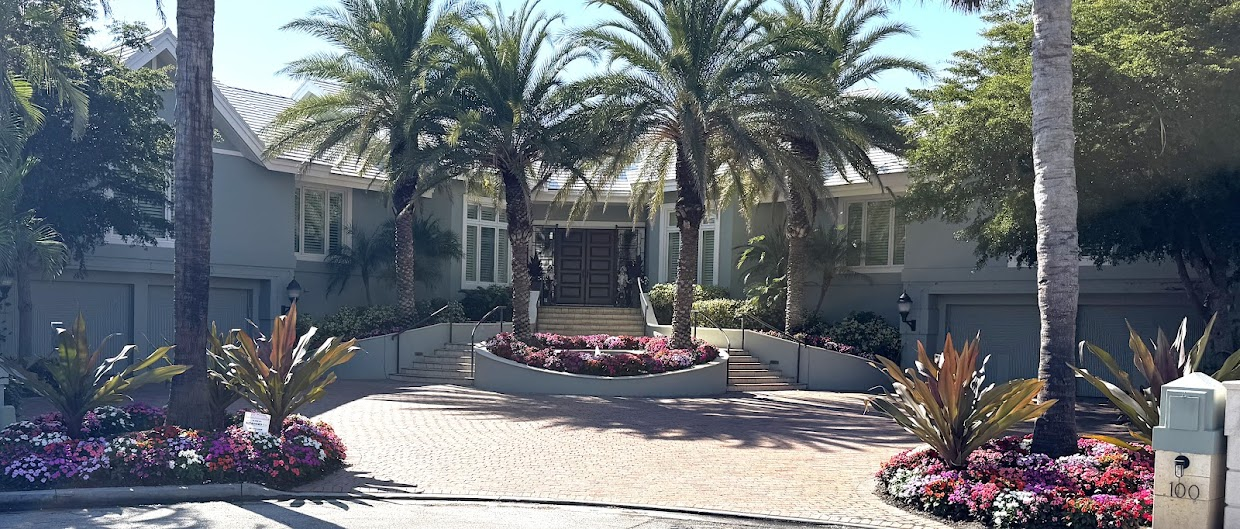
What guides the work
Care
The estate is treated as a whole rather than a list of tasks. Standard of finish is the point, not the frequency of visits.
Observation
Most of the value is in noticing early: a zone running unevenly, a canopy under wind stress, a bed holding water after rain.
Continuity
The same steward, the same standard, and a record that survives changes in personnel on any side.
Corrective thinking
Find the condition that produced the symptom and address it, instead of replacing what failed.
Limited roster
Attention cannot be scaled indefinitely, so we do not pretend otherwise.
Fewer conversations, better answers.
For owners, that means one informed point of contact and a property whose condition can be explained plainly. For builders and estate managers, it means a handover that transfers system knowledge and open items rather than leaving them behind.
Verdant Key is how that continuity is kept — the estate’s systems, evidence, decisions, completed work, and what comes next, held in one place.